How to decide
- Compare the repair cost to a replacement. A widely used rule of thumb: if the repair cost runs more than about half of what a new, comparable appliance would cost, replacement is usually the better value. A technician can give you the actual repair cost after diagnosis — that number is what makes this comparison real instead of a guess.
- Factor in the appliance's age. Most major appliances last roughly 8–15 years depending on type and use. A failure early in that range is usually worth repairing; a failure at or past it is a signal to at least get a replacement price alongside the repair estimate.
- Weigh energy use, not just the repair bill. An older refrigerator, washer, or dryer can use meaningfully more energy than a new one. Utility-bill savings over time offset some of a replacement's cost — something a repair-only comparison misses.
- Check how available parts actually are. Very old or discontinued models can have long parts lead times, which changes the math even when the repair itself would otherwise make sense. This comes up during diagnosis, before any repair is approved.
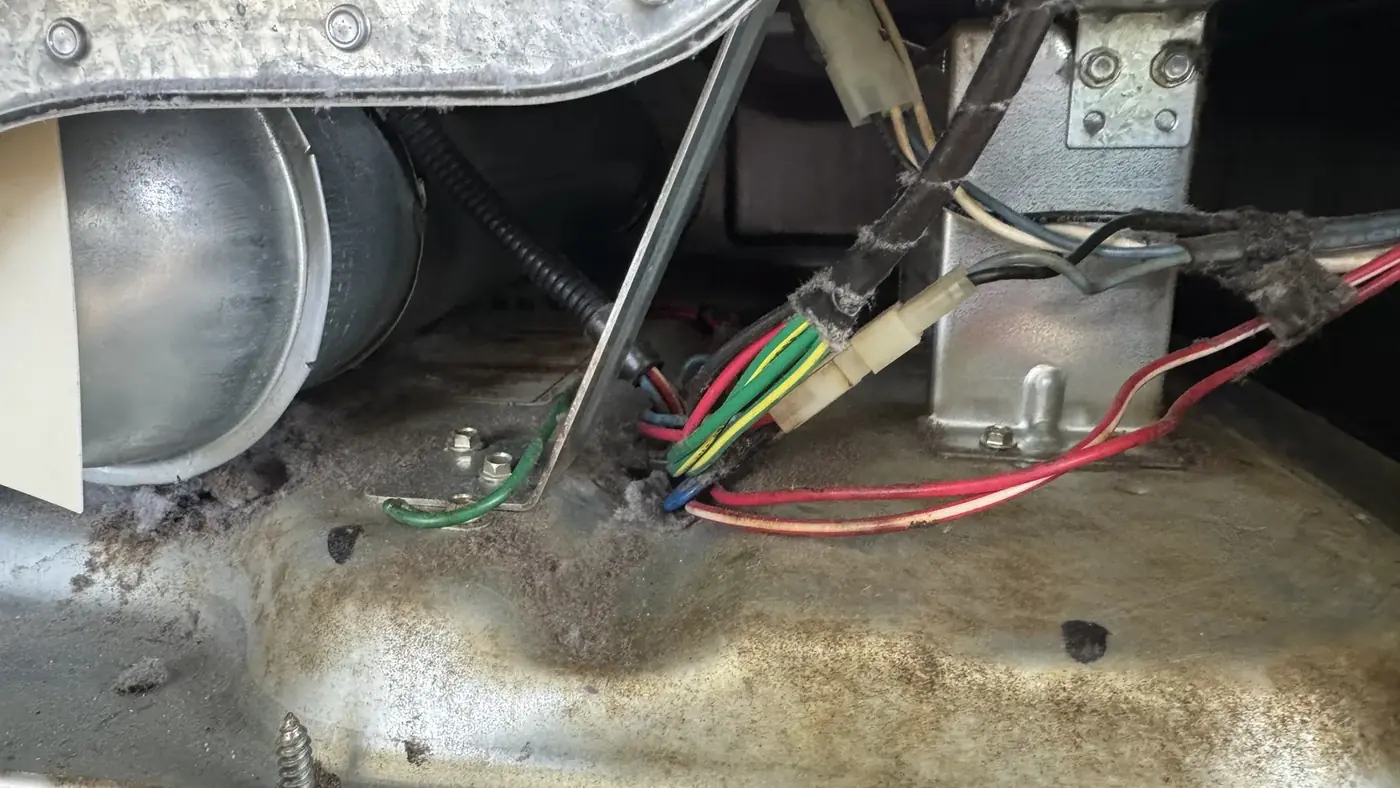
- Treat safety issues as a hard stop, not a cost question. A gas smell, exposed wiring, or a burning smell isn't a repair-vs-replace decision — shut the appliance off and have it assessed regardless of age or repair cost.
Where a diagnostic visit fits in
A diagnostic visit answers the one question a repair-vs-replace decision actually needs: what's really wrong, and what it costs to fix. The $79 diagnostic fee is credited toward an approved repair, so getting a real number costs nothing extra if you decide to move forward — and if replacement turns out to be the better call, you'll know that too, instead of guessing.
$79 diagnostic fee, credited toward an approved repair · written quote before any repair work begins · 90-day warranty, 1 year on premium brands · licensed and insured.